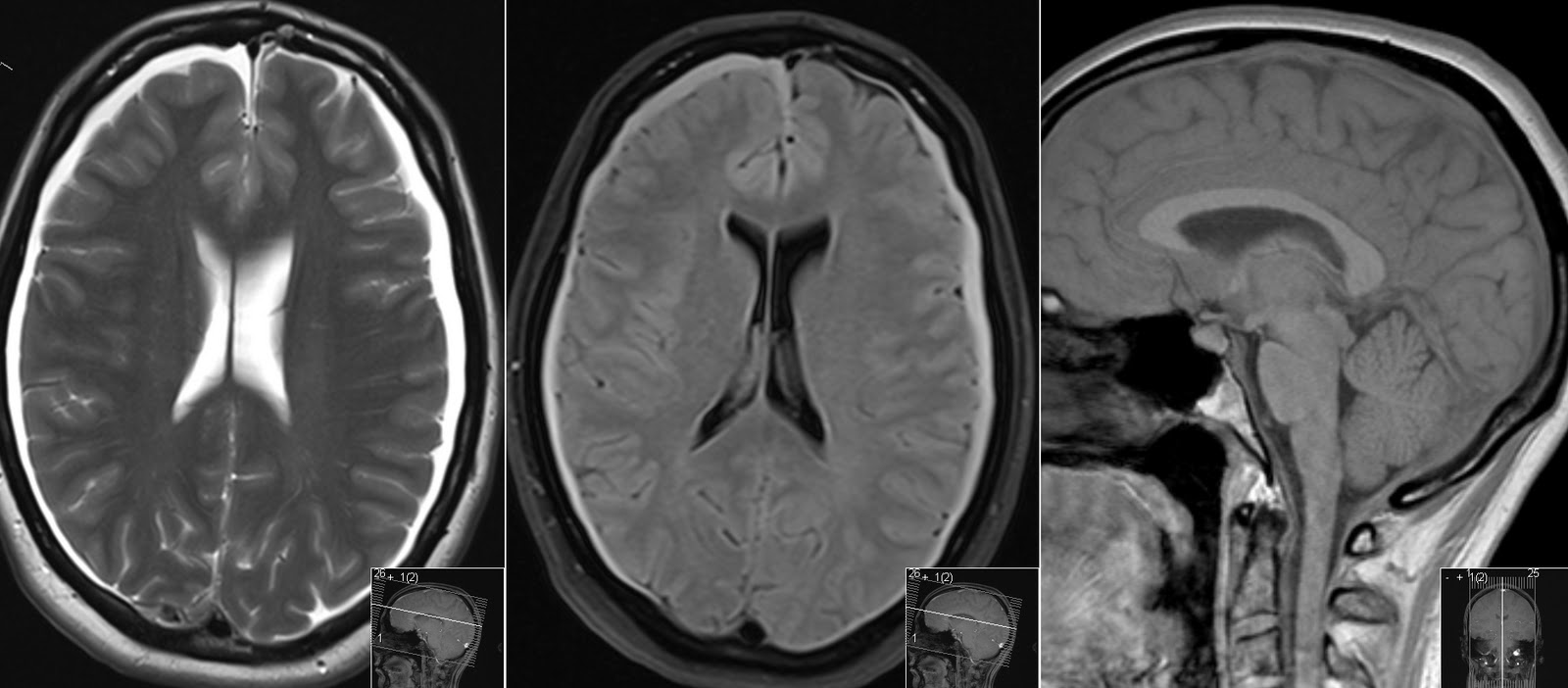
Roadmap for possible csf leak in patients who are suspected of having sih, the first step is to do a mri brain to look for typical imaging findings of sih 6, 7 the purpose of the current study was to evaluate patients with skull base csf leak for sih clinical symptoms and brain mri. If the brain mri is positive, the treatment starts with a blind epidural blood patch in order to seal off the csf leak.
Nuclear cisternography in the detection of CSF leak
Radiology article on csf leak mri
Explore t1, t2, and stir imaging insights, cases, symptoms, treatment, and imaging appearance of csf leaks.
Magnetic resonance imaging (mri) is an excellent noninvasive modality which accurately localizes the site of csf leak, but has the limitation of poor spatial resolution and loss of bony detail Thus, ct and mri act as complimentary modalities in diagnosing csf leaks [4, 5] epidemiology csf leaks can occur in patients of all ages. The dissociation of skull base leaks from the clinical symptoms and brain mri findings of sih has been propagated in the literature despite the absence of prior studies specifically evaluating skull base csf leaks