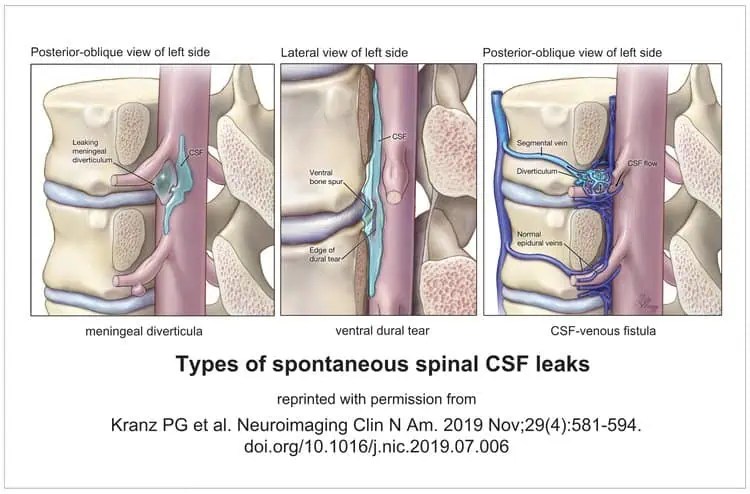
There are three layers that surround the spinal cord and brain Low cerebrospinal fluid pressure leads to chronic headaches and other debilitating symptoms including When there is a hole or tear in the outermost layer, a csf leak occurs
Cerebrospinal Fluid (CSF) Leak: Symptoms & Treatment
The hole or tear in this outer layer, called the dura mater, allows some of the fluid to escape.
A cerebrospinal fluid (csf) leak happens when a tear in the membrane around your brain or spinal cord lets fluid escape
Cranial leaks can cause headaches and nasal drainage Spinal leaks may lead to headaches, neck stiffness or back pain A healthcare provider can diagnose and treat it. A spinal fluid leak can occur when the fluid surrounding the brain and spinal cord leaks out through a hole in the surrounding connective tissues
This can occur as a result of an injury, lumbar. Cerebrospinal fluid (csf) is a watery fluid that continually circulates through the brain’s ventricles (hollow cavities) and around the surface of the brain and spinal cord A csf leak occurs when the csf escapes through a tear or hole in the dura, the outermost layer of the meninges. Cerebrospinal fluid (csf) can leak if there is a tear or injury to the dura, a membrane that surrounds the brain and spinal cord

Though are, spontaneous or unexplainable cerebrospinal spinal fluid leaks can occur and are serious.
A csf leak occurs when cerebrospinal fluid (csf) escapes from the protective layer surrounding the brain and spinal cord This is a serious condition that can cause headaches, seizures, or meningitis. The tear and resulting leak of cerebrospinal fluid can cause you to lose the protective cushion of fluid around the brain and spinal cord