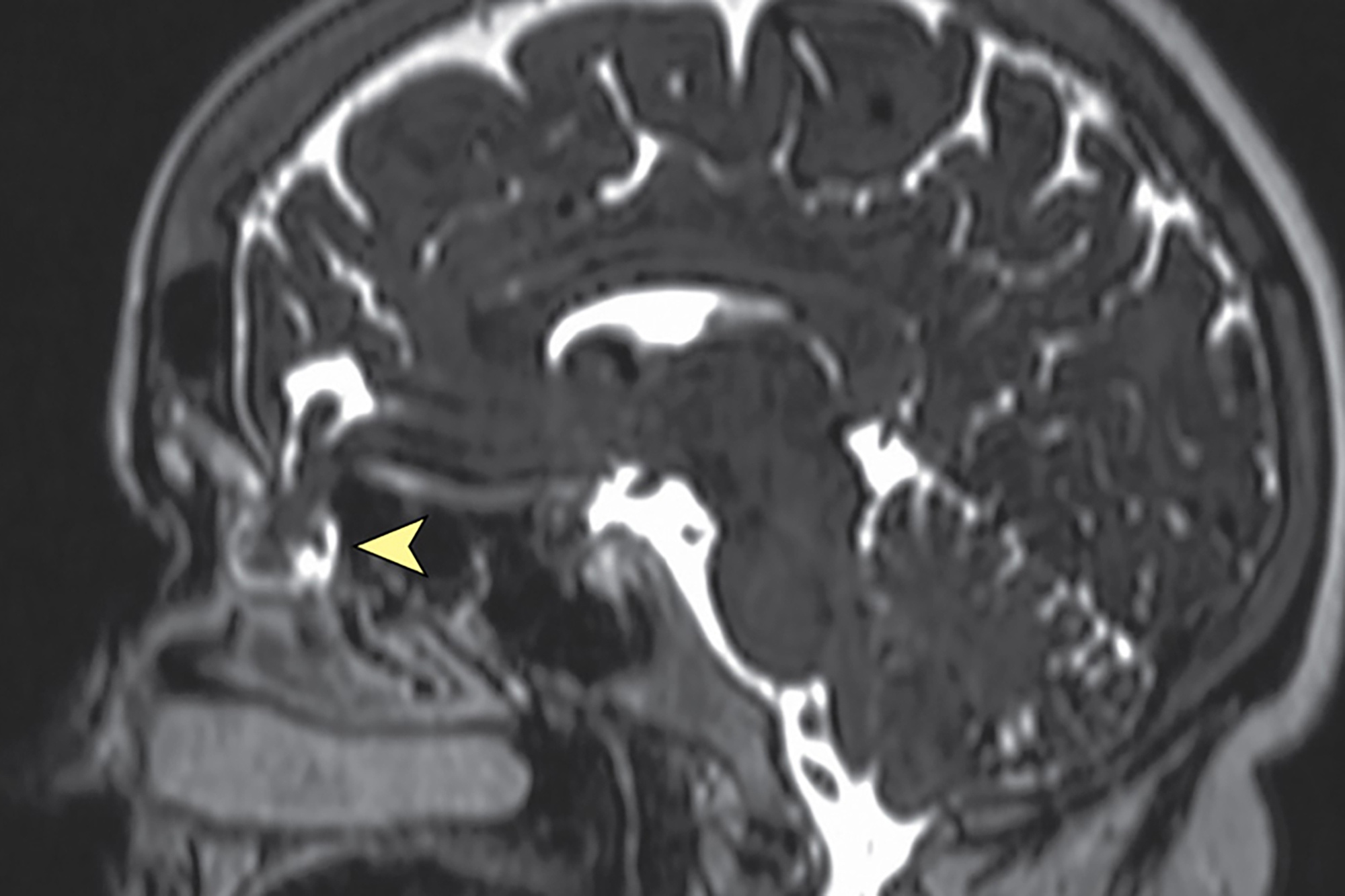
Also known as csf rhinorrhea, this is a condition in which a fluid (called cerebrospinal fluid) escapes through a tear in the membrane surrounding the brain and leaks into a nasal passage. Cerebrospinal fluid (csf) leak occurs when there is a tear or hole in the membranes surrounding the brain or spinal cord, allowing the clear fluid that surrounds and cushions those organs to escape A spinal csf leak occurs anywhere in the spinal column
Spinal fluid leaking from nose - mumupa
The most common symptom of a spinal csf leak is a headache
A cranial csf leak occurs in the skull, and often causes symptoms such as clear fluid leaking from the nose or ear
Some csf leaks may heal with bed rest and other conservative treatment. A csf leak can cause symptoms like a headache and a runny nose if it’s near your brain, or neck stiffness and radiating pain if it’s in your spine Learn about csf leak nose symptoms, diagnosis, and treatment options We provide expert guidance on recognizing cerebrospinal fluid leaks and when to seek medical attention.
Cerebrospinal fluid (csf) is a watery fluid that continually circulates through the brain’s ventricles (hollow cavities) and around the surface of the brain and spinal cord A csf leak occurs when the csf escapes through a tear or hole in the dura, the outermost layer of the meninges. Cerebrospinal fluid can leak from the nose through a skull base defect, causing clear nasal drainage and serious complications. What is a cerebrospinal fluid leak